


How to Read a Boxer’s Body Language Before a Fight
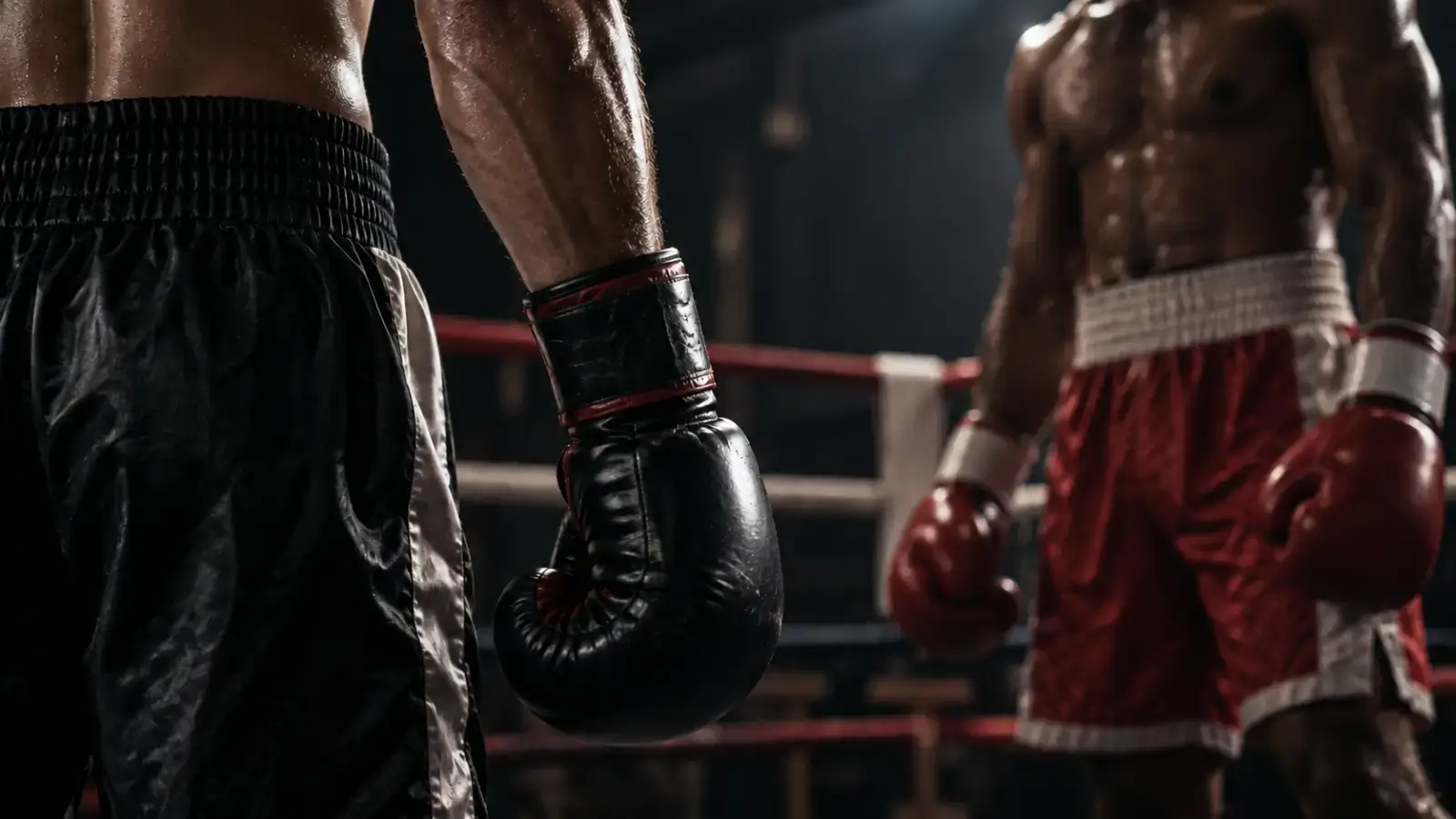


You can tell a lot about a professional boxer’s mindset, health, and fitness without them saying a single word. You just need to know what to look for in the build-up.
How a fighter enters the ring. Their efforts during a public workout. If they made weight comfortably or needed more than one visit to the scales. The mood at the final face-off. These can give you valuable clues.
Finding one gesture that suggests a boxer hasn’t trained properly, cut weight professionally or held their nerve during the build-up isn’t enough. Boxing bettors serious about making a profit on the noble art dive much deeper, looking for patterns and behaviours.
We’ve enlisted the expertise of former professional boxer-turned-sports-betting writer Frankie Monkhouse. He explains what to look for, what it means, and how you can use that information to identify a strong bet.
Importance of Body Language
I’m not a body language expert, but when approaching a fight, with your mind focused on an opponent’s strengths and weaknesses, you soon understand what’s important.
While training for a bout, sparring fighters from other gyms, and watching footage of my opponent, I identified three key areas. I’ll share them with my readers now.
Posture
A good place to start is the boxer’s posture.
Pay attention to how they stand during interviews, at the weigh-in, and the face-off.
Are they upright and loose? They’ll be relaxed, at least on the surface, and likely experienced on the big stage. I would always take note of a relaxed fighter.
Perhaps they’re stiff and tense, suggesting the occasion and the crowd make them uneasy. A worried boxer isn’t always a losing boxer, but nerves can take a lot out of a fighter.
All boxers and coaches know the importance of staying relaxed, but it’s not always possible.
Breathing
How a fighter breathes is also a useful observation.
Rapid breathing patterns, especially during the face-to-face, are never a good sign. It often means they are struggling to control their emotions, are nervous, feeling pressured, or uncomfortable at the weight.
Never take frantic breathing as a guarantee that a boxer will lose. There are many innocent explanations. They may have just finished training, had to skip the last bit of weight off, or they’re edgy and desperate to get into the ring.
Slow, controlled breathing is almost always a sign that a boxer is relaxed and self-assured. Many professionals learn specialised breathing patterns to control nerves and stay calm in trying situations. Box breathing is a good example.
As with posture, breathing is an insight into a fighter’s mood, not a sign they are going to lose. Combine several factors before settling on your prediction.
Eyes
“The eyes, chico, they never lie.”
Believe me, eye contact is one of the most commonly discussed aspects of a professional boxer’s body language. It’s subtle, but vital.
During the face-off, if a boxer maintains eye contact, he’ll be feeling determined and confident. That simple act suggests he’s composed and ready for action.
Repeatedly looking away or breaking eye contact could mean they’re unsure or even intimidated. Smiling or even laughing may signal bravado, trying to cover anxiety or fear of what’s to come.
Not every fighter can handle the face-off. To be honest, I always found it awkward and a bit of a pantomime. No one ever won a fight with a hard stare. But you can always tell if an opponent is scared, worried, or just not up for it.
Turn your findings into boxing betting predictions
Here are two common scenarios and how they can lead to a bet.
Example A: Fighter looking extremely nervous.
They may be overwhelmed by the occasion, especially if this is their first appearance at the championship level. Nerves may hamper their performance, and you would consider betting on them to lose.
Example B: A boxer looks drained at the weight.
It happens often in professional boxing. Some fighters leave their best work in the gym, battling to get their weight under the agreed limit. Weight loss can affect a fighter’s concentration, speed, and even their fitness. If a boxer looks tight at the weight, I’d consider betting on them to lose by KO/TKO.
Remember, studying fighters’ body language works best when combined with stats, recent form, and past meetings. It’s just one important piece of a bigger puzzle you must solve to find a winning bet and secure a profit.
No comments added yet. Be the first!